Septic System Relocation in Denver, CO
Septic system relocation services involve moving an existing septic system to a different area of a property or installing a new system where the previous one was located. This type of project is often needed when a property undergoes renovations, additions, or changes to landscaping that make the current septic location unsuitable or non-compliant with local regulations. Property owners typically want to understand the scope of work involved, including site assessments, permitting requirements, and the complexities of excavating and installing the system in a new location, ensuring the process aligns with local codes and environmental considerations.
Before requesting septic system relocation services, property owners should consider factors such as the current condition of the existing system, the suitability of alternative sites, and any restrictions imposed by local health departments or zoning laws. It is also helpful to understand the potential impact on property use and the necessary preparations for the new installation area. Clear communication about property boundaries, access points, and existing utility lines can facilitate a smoother process and help ensure the new septic system functions properly in its new location.
Many property owners in Denver, CO look into Septic System Relocation for repairs, replacements, upgrades, and appearance-related improvements.
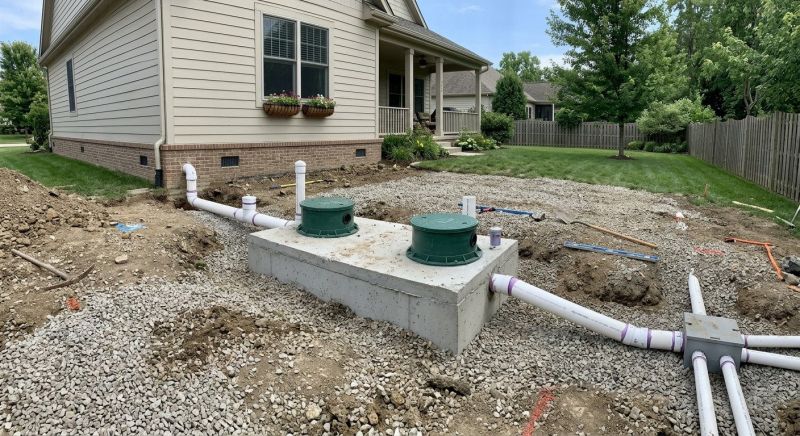
Septic System Relocation Planning
Proper planning ensures the new installation complies with local regulations and fits the property layout.
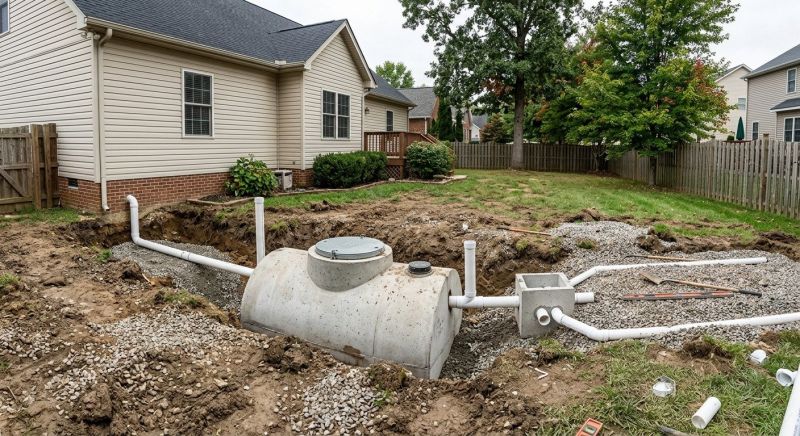
Site Preparation And Excavation
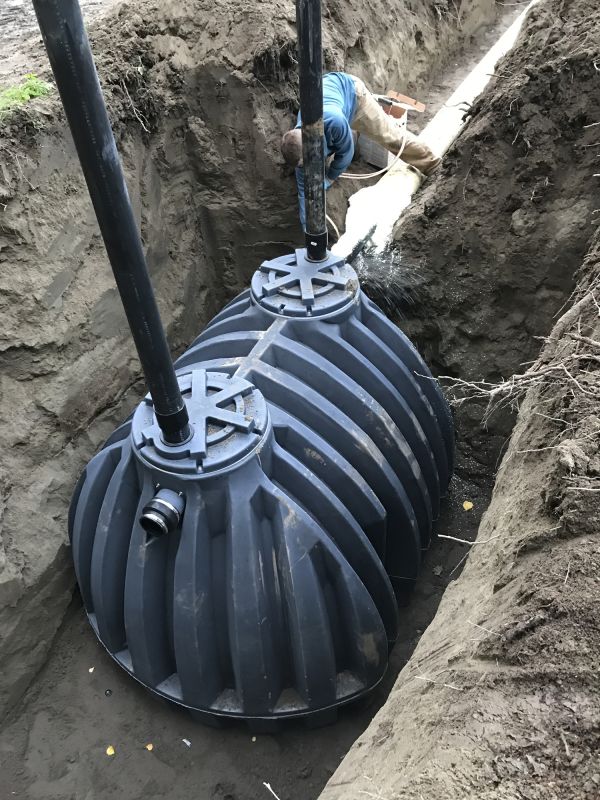
Preparing the site involves excavation and grading to create a stable foundation for the relocated system.
System Installation And Testing
Relocating a septic system includes installation, connection to existing lines, and thorough testing for proper function.
Septic System Relocation in Denver, CO

Septic system relocation services involve moving an existing septic system to a different area of a property or installing a new system where the previous one was located. This type of project is often needed when a property undergoes renovations, additions, or changes to landscaping that make the current septic location unsuitable or non-compliant with local regulations. Property owners typically want to understand the scope of work involved, including site assessments, permitting requirements, and the complexities of excavating and installing the system in a new location, ensuring the process aligns with local codes and environmental considerations.
Before requesting septic system relocation services, property owners should consider factors such as the current condition of the existing system, the suitability of alternative sites, and any restrictions imposed by local health departments or zoning laws. It is also helpful to understand the potential impact on property use and the necessary preparations for the new installation area. Clear communication about property boundaries, access points, and existing utility lines can facilitate a smoother process and help ensure the new septic system functions properly in its new location.
Many property owners in Denver, CO look into Septic System Relocation for repairs, replacements, upgrades, and appearance-related improvements.
Common Septic System Relocation Jobs
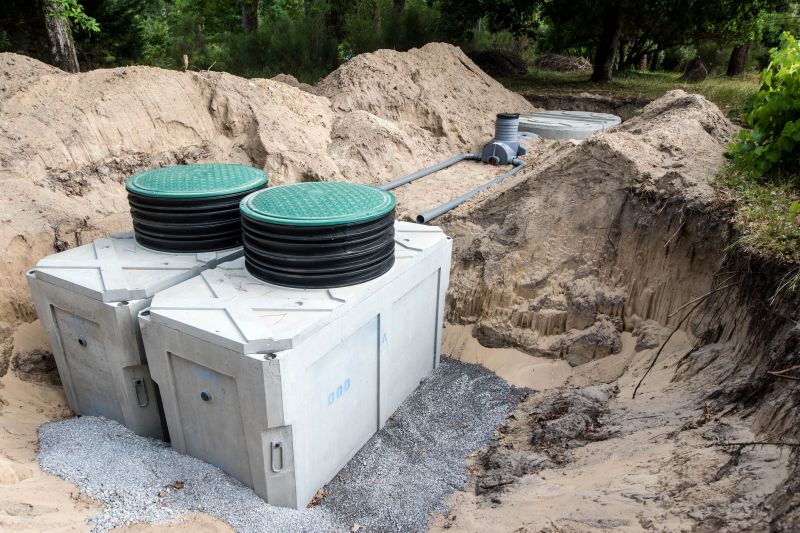
Septic system relocation involves moving an existing septic tank to a new location on the property.
Septic tank transfer includes disconnecting, transporting, and reconnecting the tank at a different site.
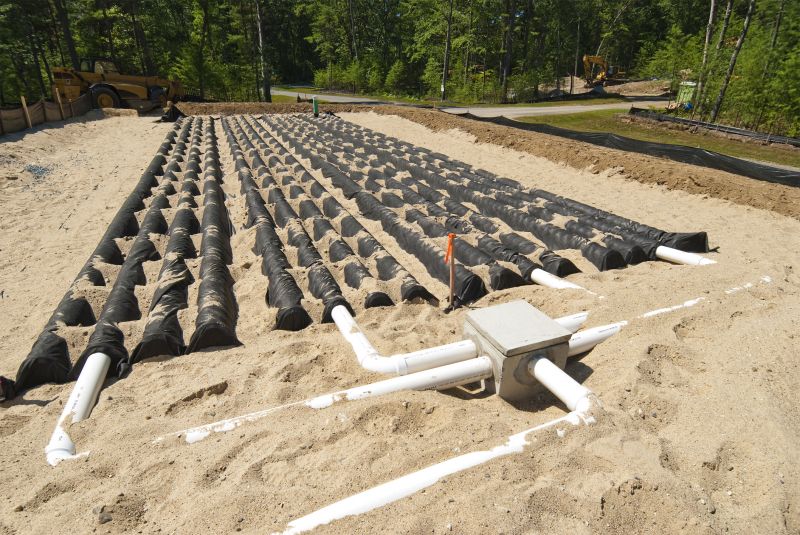
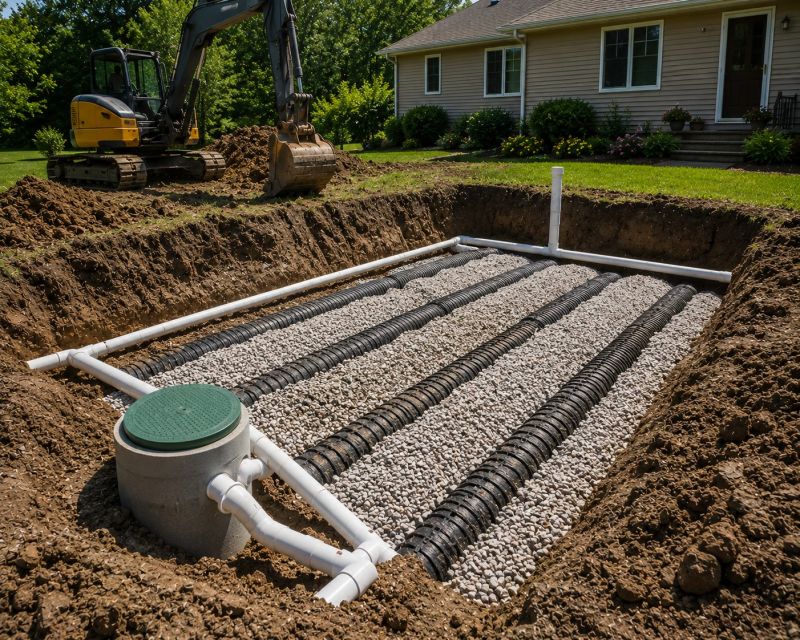
Septic field adjustments involve redesigning or installing new drain fields after relocation.
Site assessment services evaluate property conditions to determine the best location for the new septic system.
Permitting assistance helps ensure all necessary approvals are obtained for the relocation project.
Drainage solutions address soil and water flow considerations during the septic system move.
Septic System Relocation Questions
Why might someone need to relocate a septic system? Septic system relocation is often needed due to property expansion, construction projects, or site constraints that prevent the current system from functioning properly.
What should property owners consider before relocating a septic system? It’s important to evaluate the new site’s soil conditions, accessibility, and distance from structures to ensure proper installation and compliance with local regulations.
Are there specific projects that commonly require septic system relocation? Yes, projects like building additions, landscaping changes, or new driveways may necessitate moving the septic system to maintain functionality and code compliance.
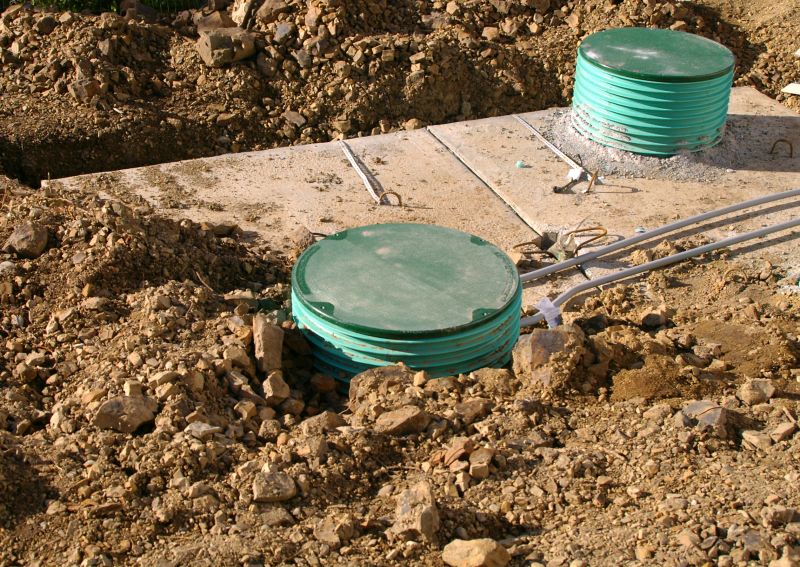
What is involved in relocating a septic system? The process typically includes assessing the site, excavating the existing system, installing the new system in a suitable location, and ensuring proper connections and testing.
Request Septic System Relocation in Denver, CO
Use the quote form on this page to share the basics of your project and request more information for the type of work you need.