Septic System Installation in Austin, TX
Septic system installation services involve setting up a self-contained wastewater treatment system for properties that are not connected to municipal sewer lines. These projects typically include selecting the appropriate system type, preparing the site, and installing components such as the septic tank, drain field, and necessary piping. Homeowners often seek this service when building a new home, replacing an outdated or failing system, or upgrading an existing setup to meet current standards. Understanding the size and capacity requirements based on household needs, as well as the property’s soil conditions and local regulations, is essential before requesting installation services.
Property owners considering septic system installation should evaluate factors like property size, soil type, and the number of residents to determine suitable system options. It’s also important to understand local permitting requirements and any restrictions related to drain field placement. Proper planning ensures the system functions effectively and complies with regulations, supporting long-term wastewater management for the property. Contacting experienced providers can help clarify these considerations and facilitate a smooth installation process tailored to the specific needs of the property.
Many property owners in Austin, TX look into Septic System Installation for repairs, replacements, upgrades, and appearance-related improvements.
Septic System Design And Planning
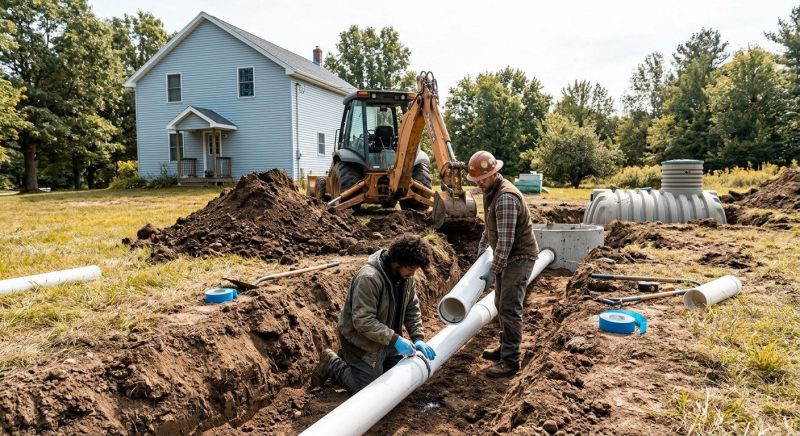
Proper planning ensures efficient and reliable septic system installation for residential properties in austin.
Septic System Installation Process
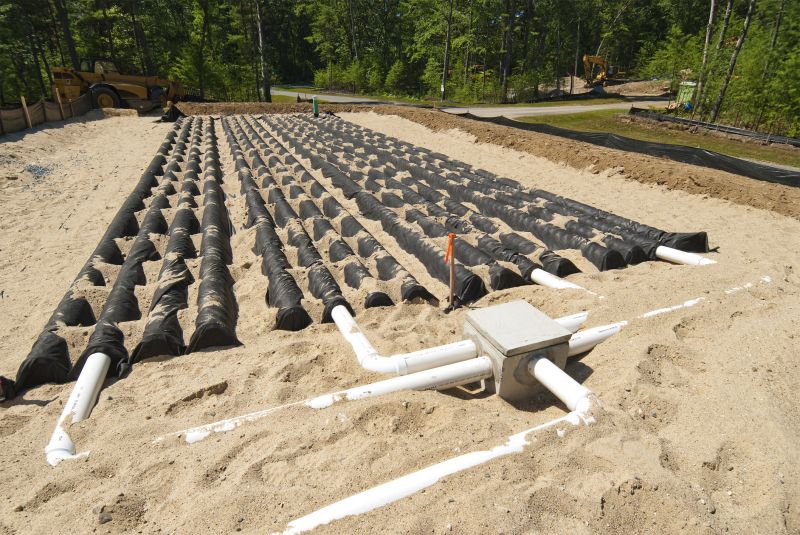
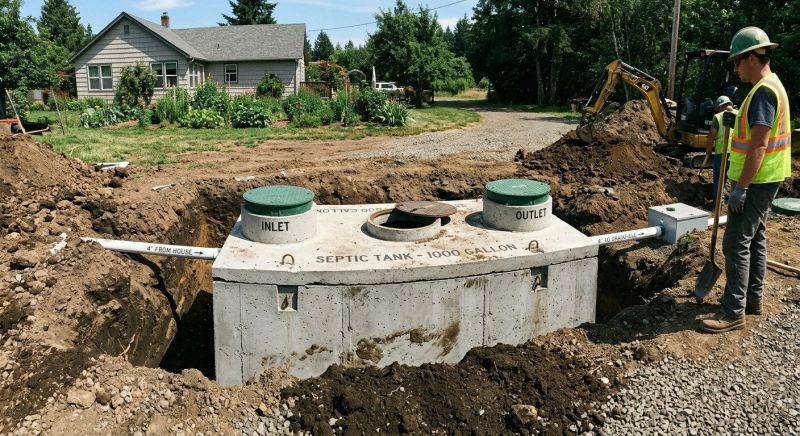
Installation involves site assessment, proper placement, and ensuring compliance with local regulations.
Maintenance And Troubleshooting
Regular maintenance helps prevent system failures and extends the lifespan of septic systems in austin homes.
Septic System Installation in Austin, TX

Septic system installation services involve setting up a self-contained wastewater treatment system for properties that are not connected to municipal sewer lines. These projects typically include selecting the appropriate system type, preparing the site, and installing components such as the septic tank, drain field, and necessary piping. Homeowners often seek this service when building a new home, replacing an outdated or failing system, or upgrading an existing setup to meet current standards. Understanding the size and capacity requirements based on household needs, as well as the property’s soil conditions and local regulations, is essential before requesting installation services.
Property owners considering septic system installation should evaluate factors like property size, soil type, and the number of residents to determine suitable system options. It’s also important to understand local permitting requirements and any restrictions related to drain field placement. Proper planning ensures the system functions effectively and complies with regulations, supporting long-term wastewater management for the property. Contacting experienced providers can help clarify these considerations and facilitate a smooth installation process tailored to the specific needs of the property.
Many property owners in Austin, TX look into Septic System Installation for repairs, replacements, upgrades, and appearance-related improvements.
Common Septic System Installation Jobs
Septic System Installation - new systems designed to meet property needs and local regulations.
Septic Tank Replacement - upgrading or replacing outdated tanks for improved performance.
Leach Field Installation - installing drain fields to ensure proper waste dispersal.
Septic System Expansion - adding capacity to accommodate property growth or increased usage.
Septic System Inspection and Design - planning systems tailored to specific site conditions and requirements.
Septic System Permitting Assistance - navigating local approval processes for compliant installation.
Septic System Installation Questions
What types of properties typically require a septic system? Septic systems are common for homes not connected to municipal sewer lines, especially rural or suburban properties.
How is the size of a septic system determined? The size is based on the number of bedrooms, property size, and expected water usage to ensure proper waste treatment.
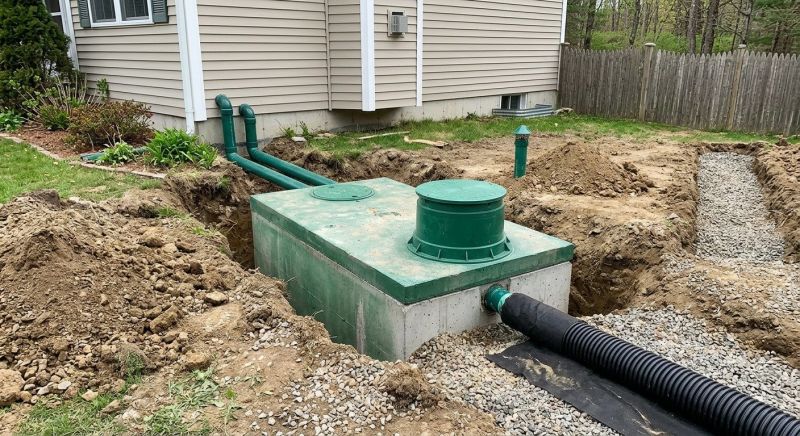
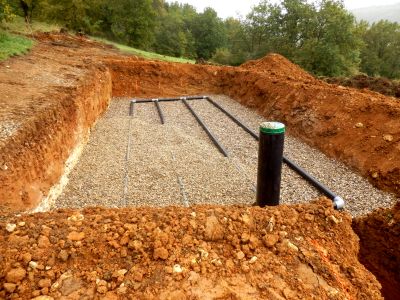
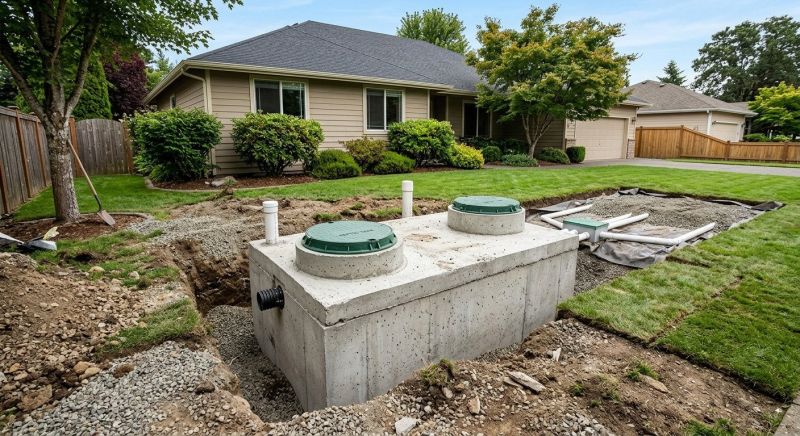
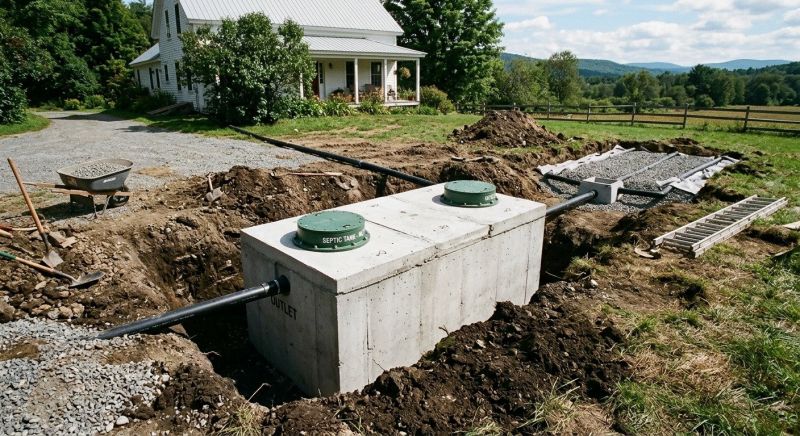
What are the main components of a septic system? A septic system generally includes a septic tank, distribution box, and drain field for waste processing.
What should property owners know about septic system installation? Proper site assessment and planning are essential to ensure the system functions effectively and complies with local regulations.
Request Septic System Installation in Austin, TX
Use the quote form on this page to share the basics of your project and request more information for the type of work you need.